

In today’s digital landscape, a well-designed website is a crucial asset for any business. A thoughtfully crafted site enhances user experience, builds trust, and drives conversions. Whether you are launching a new website or improving an existing one, adhering to fundamental design principles ensures that your site is both aesthetically pleasing and functionally effective. Here are five essential design principles to consider:
1. Design Around the User
A successful website prioritizes user experience (UX) by focusing on the needs, behaviors, and expectations of its audience. This involves:
- Intuitive Navigation: Ensure menus are easy to find and structured logically.
- Clear Call-to-Actions (CTAs): Guide users toward key actions, such as making a purchase or contacting your business.
- Accessibility: Design with inclusivity in mind, ensuring the site is navigable for users with disabilities.
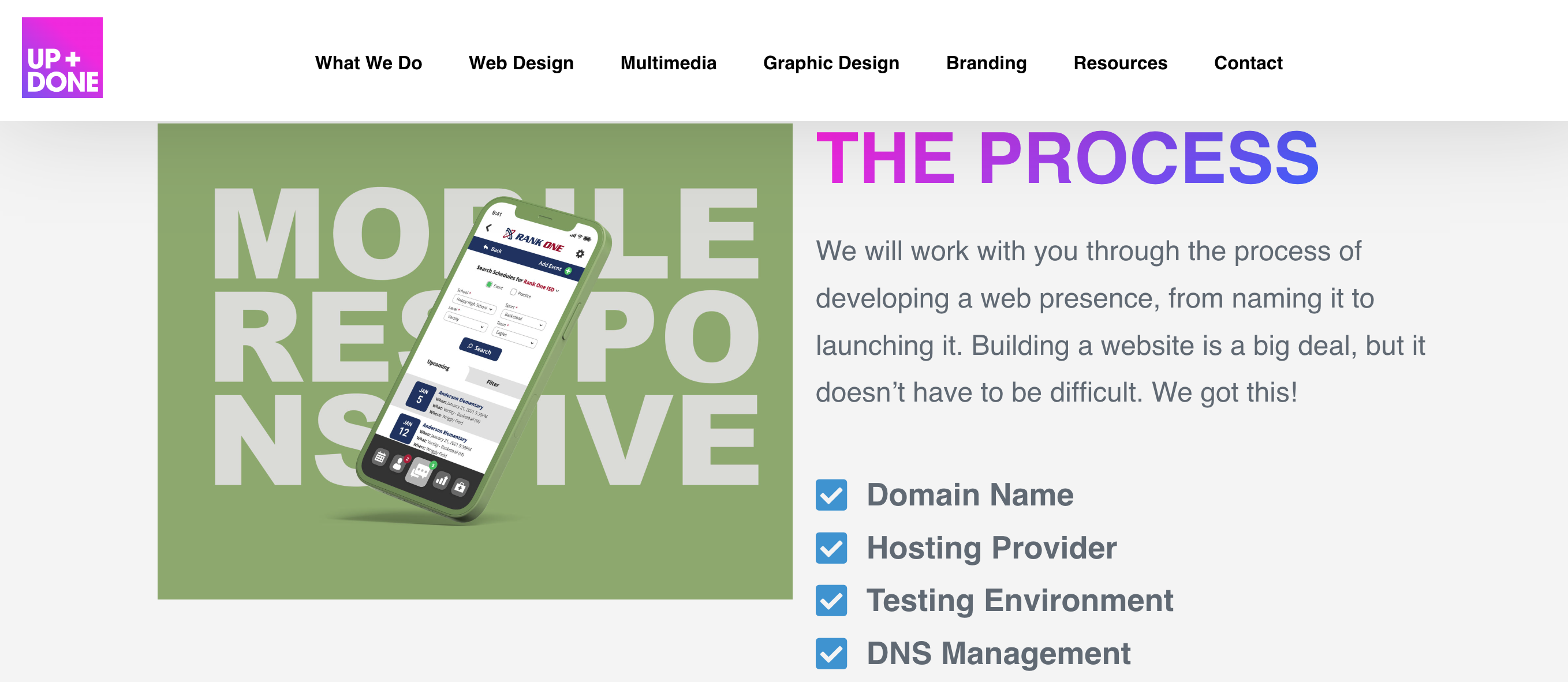
2. Don’t Forget Mobile Responsiveness
With the majority of web traffic coming from mobile devices, a website must be fully responsive. This means:
- Adaptive Layouts: Content should automatically adjust to different screen sizes.
- Fast Load Speeds: Optimize images, minimize scripts, and leverage caching to enhance performance.
- Touch-Friendly Elements: Buttons and links should be easy to tap without zooming.
3. Take Advantage of Visual Hierarchy and Readability
Users tend to skim web pages rather than read them in full. To capture their attention effectively:
- Use Contrasting Colors and Fonts: Ensure text is legible and important elements stand out.
- Implement Whitespace: A clean design improves focus and readability.
- Follow F-Pattern and Z-Pattern Layouts: Align content with natural reading behaviors.
4. Employ Consistent Branding
Your website should reflect your brand identity to build recognition and credibility. This involves:
- Consistent Use of Colors and Typography: Stick to a defined palette and use one distinctive font set.
- Cohesive Imagery: Use high-quality visuals that align with your brand message.
- Tone and Voice Alignment: Ensure written content maintains a consistent style.
5. Craft SEO-Friendly Structure
An effective website should not only appeal to users but also be optimized for search engines. Key considerations include:
- Clean Code and Proper HTML Markup: Enhance crawlability and indexing.
- Optimized Content: Use relevant keywords naturally within headings and body text.
- Fast Loading Times: Search engines favor well-optimized, fast-loading sites.
- Secure Site: Use an SSL certificate to keep your site looking safe and welcoming to visitors.
Elevate Your Website with Expert Design
Implementing these design principles can significantly improve your website’s effectiveness, but achieving a high-quality design requires expertise. Our team specializes in creating visually compelling, user-friendly websites tailored to your business goals.
Ready to build a website that stands out? Contact us today to get started!